
Germany May Halt Visa Programs for Afghan Refugees Following Court Ruling
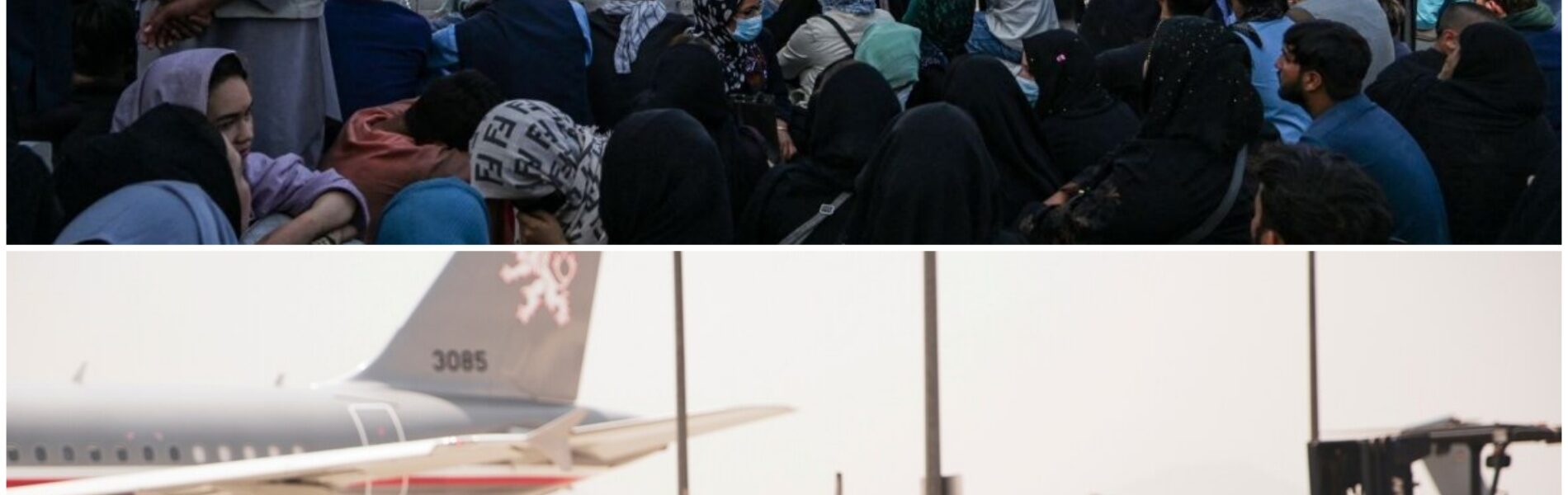
In a controversial and potentially far-reaching decision, a German court has ruled that the government has the right to cease issuing visas to Afghan citizens at risk of persecution by the Taliban. The court’s decision marks a significant turning point in Germany’s refugee policy, particularly concerning Afghans who fled their country after the Taliban’s return to power in 2021.
The ruling has sparked widespread debate, with human rights organizations, politicians, and refugee advocates questioning the ethics of halting these programs, especially in light of the volatile situation in Afghanistan. Meanwhile, Germany’s current government, led by Chancellor Friedrich Merz, remains firm in its stance to reduce migrant numbers in the country.
The Background of the Court Decision
Germany had previously launched several visa programs aimed at providing sanctuary for Afghan citizens who had worked with German institutions, including translators, aid workers, and former military personnel. Following the Taliban’s takeover of Afghanistan in August 2021, Germany announced these programs to assist those who were at significant risk of persecution. Many of these individuals had long-standing ties to Germany and feared for their lives under the Taliban regime.

However, in recent months, the German government, under Chancellor Friedrich Merz, has been seeking to reduce migration levels, especially following the large influx of refugees during the 2015 migrant crisis. Merz’s government has made it clear that immigration controls would be a key priority for his administration.
Earlier this year, Germany suspended several relocation programs designed to resettle Afghan refugees, citing an overall reduction in the number of migrants allowed into the country. These programs were intended to offer safety and support to Afghan citizens who faced life-threatening risks due to their affiliations with foreign governments or organizations.
The Case of the Afghan Judge and His Family
The court case that brought this ruling to light involved the visa application of a former high-ranking Afghan judge, his wife, and their four children. The family, who had worked closely with the Afghan judiciary under the previous government, fled Afghanistan after the Taliban took control. They had initially sought asylum in Germany, where they hoped to be granted protection due to their association with the Afghan legal system.
Their application for a visa was rejected earlier this year, despite Germany’s previous promises to assist Afghan citizens at risk. The court ruled that, under current legal frameworks, Germany was not legally obligated to grant them refuge or allow them to enter the country.
The ruling has brought into question the nature of Germany’s international obligations to asylum seekers, particularly those facing imminent danger. Despite the family’s status as former high-ranking government officials, the court maintained that the German government had the right to limit visa issuance, even in the face of international human rights considerations.
The Political Context: Chancellor Merz’s Stance on Immigration
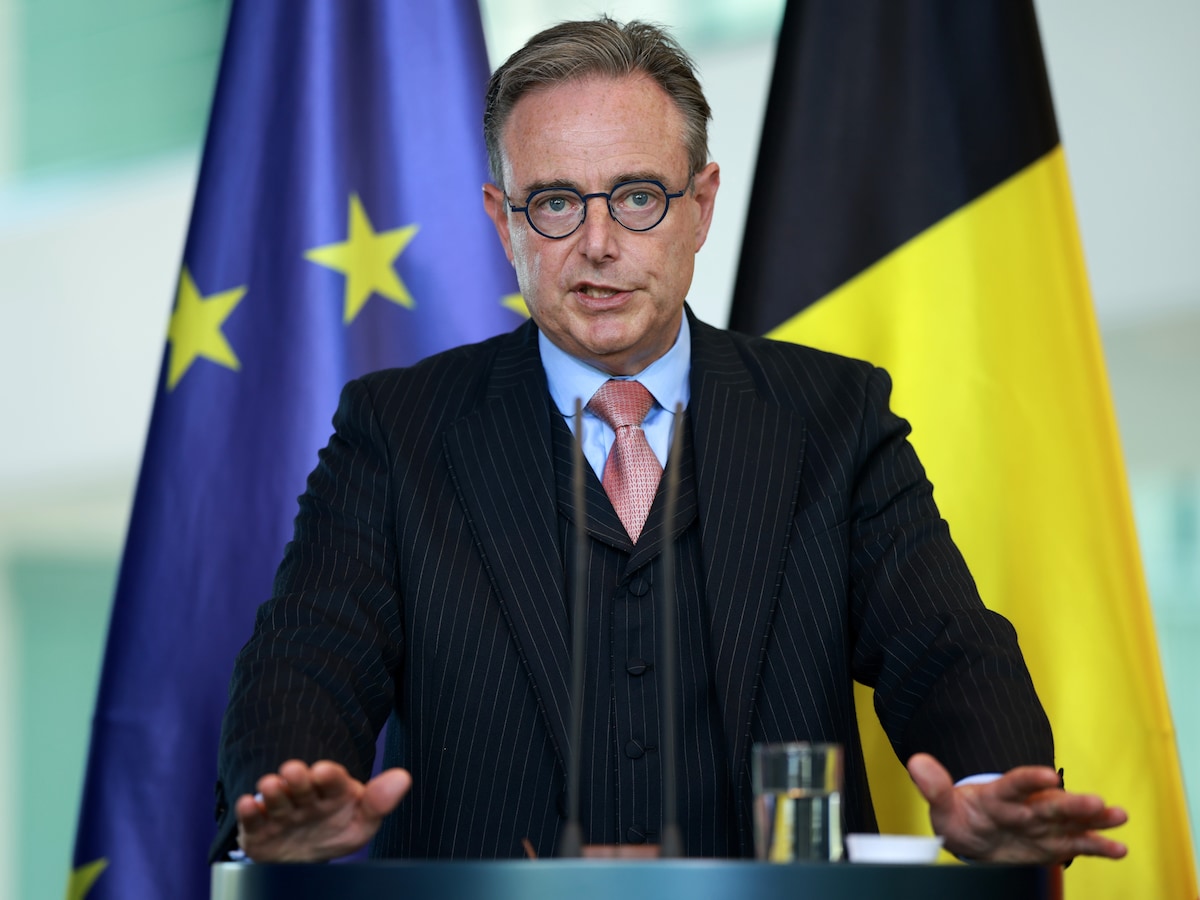
Chancellor Friedrich Merz has made immigration control a central issue of his administration. Under his leadership, the government has consistently emphasized the need for a reduction in migration levels and a focus on integrating existing refugees rather than accepting new arrivals.
Merz’s position has been shaped by a combination of factors, including a desire to maintain social cohesion, a growing political shift toward right-wing populism in Germany, and increasing pressure from conservative groups and citizens who feel that the country’s resources are stretched thin.
The suspension of programs for Afghan refugees fits into this broader political agenda. While Merz has expressed a willingness to support Afghanistan’s transition to peace and stability, he has made it clear that Germany’s borders cannot remain open indefinitely.
Impact on Afghan Refugees and Human Rights Concerns
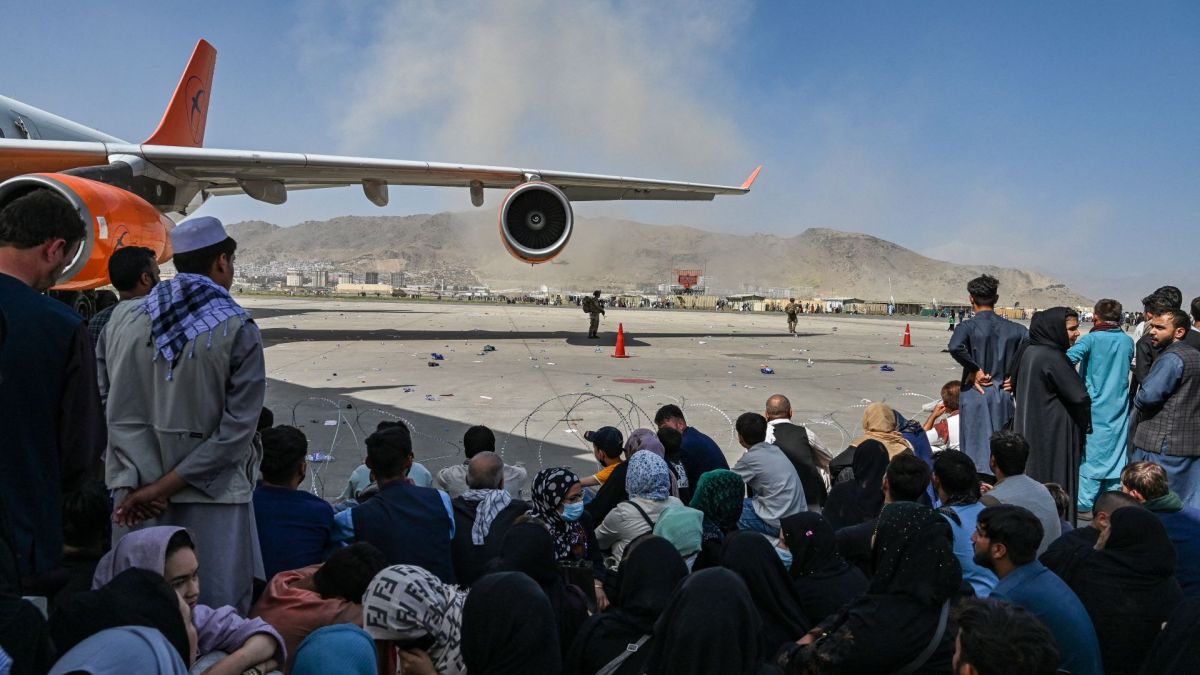
The suspension of visa programs for Afghan refugees has led to a wave of criticism from human rights organizations, who argue that Germany is turning its back on those in desperate need of protection. The United Nations High Commissioner for Refugees (UNHCR) and other advocacy groups have condemned the ruling, emphasizing the risks faced by those who worked with international organizations, foreign governments, and military forces in Afghanistan.
In particular, organizations have raised concerns about the safety of women, children, and ethnic minorities in Afghanistan. Under Taliban rule, human rights for these groups have been severely restricted, and the prospect of returning to Afghanistan is increasingly dangerous for many.
“This ruling is a betrayal of the values of protection and asylum that Germany has historically stood for,” said Lukas Keller, spokesperson for the German Refugee Council. “Afghan refugees, especially those who worked alongside Germany, were promised safety. Now, many face deportation or remain stranded in limbo. Germany must honor its commitments and provide safe harbor to those at risk.”
The ruling also highlights a growing divide within Europe regarding asylum policy. While countries like Germany have attempted to balance humanitarian commitments with domestic political pressures, other EU nations, such as Hungary and Poland, have been even more resistant to accepting refugees.
The Deportation of Afghan Refugees: Reactions and Controversy
The German court ruling also follows a recent series of deportations. Some Afghan refugees who had been waiting in Pakistan for years for their asylum applications to be processed were forcibly returned to Afghanistan earlier this year, a move that has sparked significant controversy.
In January 2023, a German deportation flight landed in Kabul with Afghan nationals, including those who had once been employed by foreign organizations. Reports from those affected by the deportations have been damning, with many of the returnees describing feeling abandoned by the country that had once promised them safety.
“I can’t believe that after everything I did to help Germany, they are sending me back to face certain death,” said Mohammad Zahir, a former Afghan translator who was deported after waiting for a response to his asylum application for five years. “The Taliban will know who I am. I will be marked for execution.”
The Future of Afghan Refugee Policy in Germany
As the legal battles over Afghan refugees continue, the broader question of Germany’s role in international asylum policy remains up for debate. Chancellor Merz and his government are expected to face increasing pressure both domestically and internationally, with NGOs, European Union bodies, and political opponents likely to push back against the court ruling.
While the German government insists that the country cannot accept an unlimited number of refugees, human rights groups are calling for a reconsideration of the policies in light of Afghanistan’s deteriorating situation under the Taliban’s rule.
“Germany is in a critical position,” says Dr. Heidi Schultz, a migration policy expert. “If the country turns away from its responsibilities, it risks alienating allies and undermining its moral standing on the world stage. We must be proactive in offering protection, not retreating from it.”
Conclusion: The Debate Continues
The decision to halt visa programs for Afghan refugees and the subsequent deportations have sparked intense debate within Germany. While the German government is committed to controlling immigration levels, the court ruling has highlighted the ethical challenges faced by wealthy nations that are forced to choose between their political priorities and their moral obligations.
As Germany navigates this complex issue, many are left wondering whether its actions reflect a compassionate commitment to human rights or a reluctance to accept responsibility in an increasingly polarized world.
The fate of the Afghan refugees and the state of Arcadia, in this case, may have far-reaching consequences for Germany’s asylum policies, and it remains to be seen how the situation will evolve in the coming months.