15 doden en 18 gewonden nadat kabeltram ontspoort in Lissabon – Vlaamse toeristen ontsnappen aan drama

Tragedy in Lisbon: 15 Dead and 18 Injured as Iconic Funicular Derails — Flemish Tourists Escape Disaster
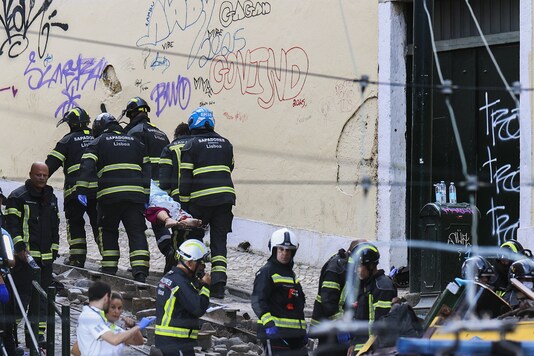
A historic day turned tragic in Lisbon as one of the city’s iconic funicular trams derailed, resulting in at least 15 fatalities and 18 injuries, according to local emergency services. The derailment has sent shockwaves through Portugal and the international community, with tourists and locals alike stunned by the scale of the disaster.
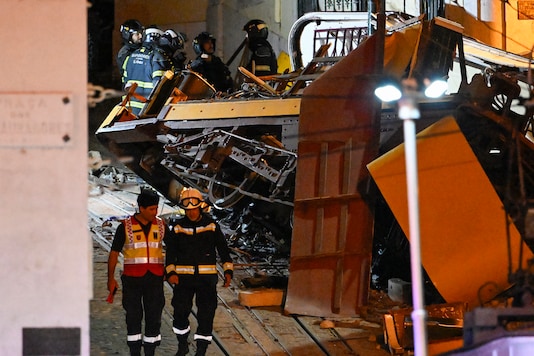
The first identified victim of the catastrophic accident is André Jorge Gonçalves Marques, who was reportedly operating the brakes of the tram. While Portuguese authorities have yet to officially confirm his identity, local media outlet Correio da Manhã reported the news, noting that Marques lost his life in the horrific incident.
At the site of the derailment, Pedro Bogas, chairman of Carris — Lisbon’s public transportation company — emphasized that “all maintenance protocols” had been meticulously followed. Carris has contracted an external firm for the upkeep of its funiculars for the past fourteen years. “Everything was carried out thoroughly. There was no failure in maintenance,” Bogas insisted during his visit.
Despite these assurances, the derailment occurred under circumstances that remain unclear. The tram, identified as the Glória funicular, reportedly “came down at full speed” and crashed into a building, leaving it almost completely destroyed. Eyewitness footage shows the tram severely damaged, underscoring the sudden and violent nature of the accident.
Authorities confirmed that among the deceased were foreigners, although their nationalities have not yet been disclosed. All victims have since been removed from the scene. CNN Portugal reported that among the injured is a three-year-old child, who sustained less serious injuries. In response to the tragedy, the Portuguese government has declared a day of national mourning for Thursday.

The mayor of Lisbon described the event as an “unprecedented tragedy” and confirmed that investigations are underway to determine the cause of the derailment. Both the judicial police and Lisbon’s prosecutor’s office have opened official inquiries, while GPIAAF — the agency responsible for investigating rail and air accidents — announced that evidence collection would begin on Thursday due to limited manpower.
Amidst the devastation, some tourists narrowly escaped disaster. Flemish tourist Christine Van Becelaere revealed that she and her husband had ridden the very same tram just two hours before the accident. “Emergency services arrived in force, and a large perimeter was immediately cordoned off,” she told local media, recounting the terrifying proximity to the tragedy.
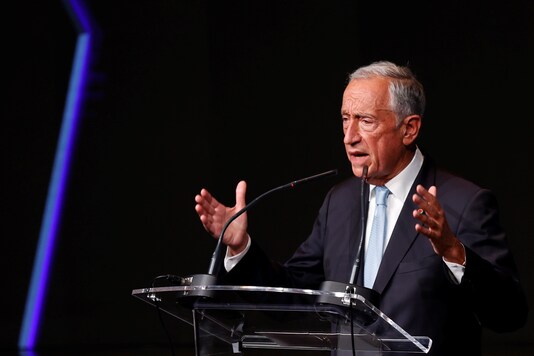
Portuguese President Marcelo Rebelo de Sousa expressed his “deep sorrow” over the accident, extending condolences to the families of the victims. The government and Prime Minister also voiced shock and solidarity, emphasizing that authorities were coordinating emergency services, hospitals, police, and transportation providers in response to the incident.

Emergency services responded swiftly and on a large scale. Photographs and video footage show multiple fire trucks and ambulances at the scene. A total of 62 personnel and 22 vehicles from the civil protection service were deployed to manage the crisis, while victims were transported to two local hospitals for treatment. Among the 18 injured, nine were reported to be in serious condition.
The Glória funicular, which has been operating since 1885, is a major tourist attraction, connecting Lisbon’s downtown area with higher neighborhoods. The tram has a capacity of 42 passengers and is known for offering scenic views of the city. Its historical and cultural significance has amplified the sense of shock and mourning surrounding the accident.
While the cause of the derailment remains unknown, Carris reassured the public that “all available resources” have been deployed to handle the emergency and provide assistance to victims. Chairman Pedro Bogas highlighted that the company’s priority is to follow the situation closely and support ongoing investigations.
The incident has prompted a wider reflection on the safety of historic public transportation systems, especially those in heavy use by both locals and tourists. While maintenance protocols were reportedly followed, questions remain about whether additional safety measures could have prevented the accident.
For the residents of Lisbon, the accident is a stark reminder of the fragility of life and the risks inherent even in everyday urban transport. For visitors, it is a sobering warning about the unpredictability of travel, even in well-known and beloved destinations.
As Portugal mourns the loss of life, emergency teams continue to work tirelessly to care for the injured and secure the scene. Meanwhile, officials promise a thorough investigation into what caused the derailment and how similar tragedies can be prevented in the future.
The tragedy at Lisbon’s Glória funicular has left a deep mark on the city, uniting communities in grief and highlighting the importance of rigorous safety measures for public transportation. With international attention focused on the unfolding investigation, Portugal faces both the immediate challenge of recovery and the longer-term responsibility of ensuring that such a calamity does not occur again.